


Luxury Cocktail Cans: The Premium Ready-to-Drink Revolution Explained
What if a perfectly balanced, bar-quality cocktail could be sealed in a sleek, portable vessel? Luxury cocktail cans are premium, ready-to-drink beverages that combine top-shelf spirits, fresh mixers, and artisanal recipes inside a lightweight aluminum format. Simply chill the can, open it, and pour over ice—or drink directly from the rim—to enjoy a consistently crafted cocktail in under a minute. The core benefit is uncompromising convenience without sacrificing flavor, complexity, or presentation, making them ideal for picnics, travel, or effortless home entertaining.
What Sets Premium Ready-to-Drink Cocktails Apart From Standard Cans
What truly sets premium ready-to-drink cocktails apart from standard cans is the uncompromising fidelity to craft. Luxury cocktail cans use real citrus juices, small-batch bitters, and top-shelf spirits, never cheap malt liquor or artificial flavorings. The mouthfeel is richer and more layered, mimicking a freshly stirred or shaken drink, because they prioritize proper dilution and carbonation control over mass-production shortcuts. Premium cans also feature sophisticated packaging—matte finishes, embossed details—that signal a bar-quality experience. Crucially, they deliver a balanced, complex profile on the first sip, whereas standard versions often taste syrupy or harshly alcoholic. For the discerning drinker, these luxury cans offer genuine cocktail-hour depth, not just convenience. The difference is sensed immediately: a smooth finish, precise botanicals, and a texture that respects the recipe’s integrity, making every can a deliberate, elevated indulgence.
How Craft Mixology Translates Into a Can Without Losing Quality
Preserving craft mixology in a can demands a shift from dilution-based recipes to concentrated, pre-balanced formulations. Bartenders adjust citrus and botanicals to survive nitrogen-flushed sealing, often using cold-pressed juices and barrel-aged bitters to retain depth without oxidation. Carbonation is dosed lower than standard sodas, protecting delicate aromatics like elderflower or smoked tea. The result is a cocktail that unfolds in layers on the palate, mirroring a fresh pour. Quality hinges on flash-pasteurization and immediate chilling, locking in volatile compounds.
- Acidity is rebalanced with lactic or citric acid powders to mimic fresh citrus without breakdown.
- Botanicals are steeped in high-proof alcohol before dilution, extracting full flavor with less liquid.
- Nitrogen micro-bubbles replace aggressive CO₂, preserving mouthfeel and aromatic release.
Key Flavor Profiles and Ingredients That Signal True Luxury
True luxury in a can announces itself through single-origin and small-batch ingredients that standard mixes never touch. Look for real cold-pressed citrus oils rather than citric acid powder, and spirits aged in specific barrel types that impart vanilla, smoke, or dried-fruit depth. Botanical complexity—like flowering chamomile, juniper berry, or toasted cardamom—indicates layered extraction, not artificial flavoring. Sweetness arrives from agave nectar or demerara syrup, never high-fructose corn syrup. A premium can also balances bitterness (from gentian root or cacao nibs) with salinity (fleur de sel) to create a savory finish. These profiles require higher ingredient costs and meticulous filtration, which is why they taste clean, not cloying
- Whole spices and fresh herbs steeped in-house, not flavor concentrates
- Wine or sherry-based modifiers for acidic, oxidized complexity
- Natural stabilizers like gum acacia preserving a silky mouthfeel
How to Choose the Perfect Premium Cocktail Can for Your Occasion
Selecting a premium cocktail can begins with matching the liquid’s personality to your event’s formality. For a black-tie affair, choose a can with a restrained, matte finish and a spirit-forward recipe like an old fashioned, where the bitterness signals sophistication. For a garden party, prioritize a citrus-forward spritz in a bright, brushed aluminum vessel that feels celebratory yet light. Always check the serving temperature—premium cans are engineered to be consumed ice-cold, so chill the can for at least four hours to let the botanicals and oils fully integrate.
Never serve directly from the can; decant into a chilled coupe or rocks glass to preserve carbonation and elevate the ritual.
Finally, verify the alcohol by volume matches your occasion’s pacing—a higher ABV (18%+) suits a small gathering, while a lower proof (6–10%) works for longer, social hours.
Matching Spirits, Bitters, and Citrus to Your Taste Preferences

Your ideal luxury cocktail can hinges on how its spirit, bitters, and citrus profile aligns with your palate. Prefer a clean, warming backbone? Choose a barrel-aged bourbon or reposado tequila, which softens sourness. Crave aromatic complexity? Seek cans with orange or Angostura bitters—they add spice without sweetness. For citrus, match intensity to your tolerance: bright lemon or yuzu suits crisp, gin-led cans, while blood orange or grapefruit mellows smoky mezcal. *If you dislike bitter finishes, avoid Peychaud’s-heavy blends and opt for grapefruit peel instead.* Taste your base preference first—sweet, dry, or herbal—then verify the bitters and citrus amplify, not mask, that core flavor.

Understanding Serving Sizes, ABV Levels, and Chill Requirements
Selecting a premium cocktail can begins with matching the serving size and ABV to your drinking pace. Most luxury cans hold 250–330 ml, roughly one to two standard drinks; check the label to avoid over-pouring. ABV levels typically range from 5% for lighter spritzes to 15%+ for spirit-forward Negronis, so factor in alcohol strength when planning consumption. Chill requirements vary by cocktail: high-ABV stirred drinks taste best at 8–10°C, while lower-ABV citrus-forward cans require 4–6°C to suppress sweetness. Always chill upright for at least three hours, never shake, and pour over a large ice sphere to preserve carbonation and dilution control.
- Verify fluid ounces and standard drink equivalents before serving.
- Match ABV to occasion duration—opt for lower ABV for long gatherings.
- Store at the specified serving temperature, using a thermometer for precision.
- Re-chill immediately after opening to maintain the intended profile.
Best Practices for Serving and Enjoying High-End Canned Drinks
To truly elevate luxury cocktail cans, always serve them ice-cold but never over-chilled, as extreme cold numbs the palate and masks the nuanced botanicals. Pour the entire can into a pre-chilled crystal rocks glass over one large, clear ice sphere—this preserves carbonation and prevents dilution while allowing the cocktail to open up. Never sip directly from the can; the aluminum imparts a metallic note and forfeits the aromatic experience. A quick, hard shake before opening redistributes settled ingredients, then rest for 30 seconds to let the foam settle. **Question: Should you decant immediately?** Answer: Yes—always decant within two minutes of opening to capture the peak effervescence and layered aroma, transforming a convenience product into a ritual of refined tasting.
Glassware and Garnish Choices That Elevate the Experience
Pouring a premium canned cocktail into the right vessel transforms the ritual instantly. Swap the can’s rim for a chilled coupe or heavy rocks glass to unlock aromatics that carbonation masks. Choose a garnish that echoes the drink’s core botanicals—a flamed orange peel for a negroni, a hand-torn mint sprig for a julep-style fizz—rather than generic fruit wheels. A single large ice cube melts slower, preserving dilution control, while a salt or sugar rim adds texture only when the base profile calls for it. Even a skewered cocktail cherry or a dehydrated citrus coin adds visual weight. These micro-decisions bridge the gap between convenience and craft, making every sip feel intentional.
Glassware shapes the nose, and a precise garnish finishes the story—together, they turn a canned pour into a bespoke cocktail moment.
How to Chill, Pour, and Carbonate for Optimal Taste and Aroma
Chill luxury cocktail cans upright to 38–42°F for at least two hours, never over ice, to preserve carbonation and prevent dilution that flattens aromatic botanicals. Pour immediately after opening, tilting the glass at 45 degrees and straightening it as the liquid rises to form a gentle two-finger head, which releases volatile esters without losing bite. If the drink feels under-carbonated, decant vigorously between two chilled glasses for three seconds to re-integrate dissolved gas, or use a countertop carbonation wand at low pressure for a finer, creamier mousse. Avoid stirring; instead, cap and invert once to redistribute sediment. This optimal taste and aroma hinges on temperature stability and minimal agitation until the pour, when oxygen finally unlocks layered citrus and spice notes.
What to Look For in Packaging and Freshness of Gourmet Cocktails
When evaluating luxury cocktail cans, the first line of defense is the can’s physical integrity—look for zero dents, swelling, or rust, as any compromise signals micro-oxidation that dulls bright botanicals. Check the pull-tab seal for a tight, vacuum-like resistance; a loose tab or hissing release means carbonation and volatile aromatics have escaped. Examine the printed lot code and “best by” date—premium brands stamp them clearly, and you should reject any can without a visible expiry, as freshness windows for citrus-forward recipes are short. Shake gently: a luxurious pour should sound dense, not watery, indicating proper viscosity and suspended solids. Crucially, insulate your senses—chill to 38°F, then open; a sharp, clean pop with a whisper of citrus or spice confirms the nitrogen-flush seal held.
A faint stale or cardboard note on first sniff is a dealbreaker, regardless of garnish complexity.
Finally, inspect the can’s interior lining for a smooth, polymer barrier—any metallic taste on the tongue is a fail, as it betrays improper acid protection. Trust only cans with opaque sides; light exposure degrades hop oils and vermouth, so clear or translucent packaging is an automatic disqualifier for freshness. The best luxury cans feel cold, heavy, and silent—until you crack them, releasing a bouquet that mirrors a fresh-built cocktail.
How to Read Labels for Real Juice, Small-Batch Production, and Shelf Life
Check the ingredient list for “real juice” by verifying that fruit appears as a named concentrate or puree—not “flavor” or “natural extract”—and that its percentage is disclosed. For small-batch production labels, look for batch numbers or “bottled on” dates, which signal limited runs and allow you to track freshness precisely. Shelf life is dictated by the “best by” date, but also inspect for “cold-pressed,” “HPP,” or “flash-pasteurized” claims, as these extend stability without sacrificing juice integrity. If the label lists no preservatives, expect a shorter window—consume within four to six months for optimal citrus and botanicals. Avoid cans with vague “concentrate blend” wording, as this masks diluted juice content.
Read labels by verifying named juice percentages, checking batch or bottling dates for small-batch proof, and weighing the “best by” date against processing methods like HPP or flash pasteurization to gauge true shelf life.
Recyclable Materials and Single-Serve Portability Benefits
For luxury cocktail cans, recyclable materials and single-serve portability benefits converge in the aluminum body, which is infinitely recyclable without flavor or structural degradation. This ensures the premium liquid’s integrity while allowing guilt-free disposal after a single use. The lightweight can reduces transport energy, yet maintains a rigid barrier against oxygen and light, preserving botanical freshness. Single-serve format eliminates resealing compromises—each 250ml portion delivers peak carbonation and aeration exactly as the mixologist intended, whether at a picnic or a rooftop. Unlike glass or multi-dose bottles, the can’s footprint suits immediate consumption, and its recyclability ensures that convenience never sacrifices environmental responsibility. Choose cans with a visible recycled-content label to align portability with circular economy principles.
Creative Ways to Use Upscale Canned Beverages Beyond the Basic Pour
Elevate a luxury cocktail can beyond its ready-to-serve state by transforming it into a glaze—reduce a smoked negroni over low heat with brown sugar and butter, then brush it over grilled peaches or pork belly for a caramelized, boozy finish. For a frozen twist, pour a barrel-aged old fashioned into a blender with ice and a splash of cream, yielding a silky, adult milkshake that redefines dessert. Use the can’s contents as a marinade base: a yuzu martini works brilliantly with soy and ginger to tenderize salmon before searing. Q: What is the fastest upgrade? A: Spritz the chilled liquid into a champagne flute, adding a saline drop and a flamed orange twist—this aerates the blend and sharpens its botanical complexity without diluting proof.
Building a Cocktail Charcuterie Board or Tasting Flight at Home
To build a cocktail charcuterie board or tasting flight at home, select four to six luxury canned cocktails with contrasting flavor profiles—smoky, citrus-forward, herbal, and sweet. Chill each can upright, then pour them into small glass or ceramic tasting vessels, leaving the cans off the board to avoid condensation pooling. Pair each pour with a miniature accompaniment that echoes its notes: dark chocolate for an old fashioned, a thin slice of serrano ham for a mezcal blend, or candied ginger for a tonic-based spritz. Arrange everything on a slate or wooden board, grouping each drink with its matched bite for a guided tasting. Letting each pairing sit for five minutes before sipping allows the aromatics to harmonize.
Pairing Them With Food—From Seafood to Dark Chocolate
Pairing luxury cocktail cans with food transforms a convenient pour into a curated tasting experience. A citrus-forward gin or vodka-based canned serve, such as a grapefruit spritz, cuts through the briny richness of oysters or seared scallops, while a smoky mezcal margarita complements grilled shrimp or ceviche. For richer seafood like buttery lobster, a creamy coconut-infused rum cocktail balances the fat. Transitioning to dessert, bold flavor profiles shine: a spiced rum old fashioned or a coffee-laced martini enhances the bitterness of dark chocolate pairings, especially varieties with 70% cacao or chili notes. Alternatively, a salted caramel vodka cocktail mirrors the sweet-savory complexity of chocolate truffles, creating a cohesive final course.
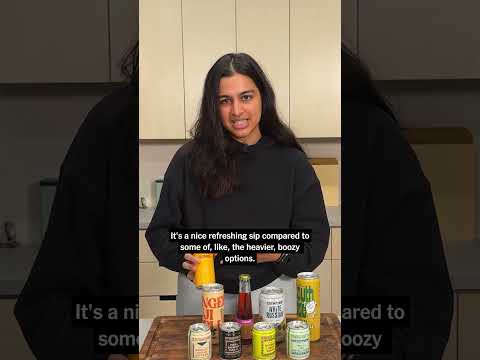
Common Questions About Storing and Customizing Ready-Made Cocktails
When storing luxury cocktail cans, the most frequent question is whether chilling alters the premium blend—the answer is no, as cold stabilization actually preserves delicate botanicals. For customization, ask if you can infuse directly into the can; instead, pour over a large-format ice sphere to adjust dilution without breaking the seal. Another common query involves garnishing: citrus oils and smoked salts elevate the aroma, but avoid muddling herbs directly inside the vessel. Regarding longevity, unopened cans maintain peak flavor for up to 12 months, yet once opened, consume within 24 hours to retain carbonation and vibrancy. Finally, for temperature control, wrap the can in a chilled, damp cloth for five minutes—never shake it—to integrate any settled spices evenly before serving.
How Long Can You Keep Them Sealed and Opened

For luxury cocktail cans, the sealed shelf life typically spans 12 to 24 months, depending on the formulation and packaging method, so always check the printed “best by” date for your specific batch. Once opened, however, the clock shifts dramatically: you should consume the contents within 24 hours for optimal carbonation and flavor integrity, though some high-acid or spirit-forward recipes may hold for up to 48 hours if refrigerated immediately. To preserve that premium taste after opening, re-cap the can tightly and store it upright at 40°F or below. Properly managing opened luxury cocktail cans prevents oxidation and loss of botanical nuances. Follow this sequence:

- Chill the unopened can at serving temperature before opening.
- After pouring, seal the can with its original lid or a silicone cap.
- Refrigerate within 30 minutes of opening.
- Discard any remainder after 48 hours, even if it smells fine.
Ways to Add Fresh Herbs, Ice Spheres, or Smoked Elements

To elevate a premium canned cocktail, add fresh herbs and smoked elements just before serving to preserve their volatile aromatics. Gently slap a basil or mint leaf to release oils, then float it on the liquid or tuck it under a single large ice sphere for slow, even dilution without cracking the can’s chill. For smoke, use a handheld cloche or a cedar plank torch to capture applewood smoke, then invert the glass over the open can for 30 seconds—never pour hot smoke directly into the can, as heat ruins carbonation. A drop of liquid smoke on the rim, not in the drink, works as a subtle alternative.
- Use one 2-inch ice sphere per 250ml can to chill without watering down the flavor.
- Muddle herbs in the glass with a teaspoon pornstar martini of the cocktail’s base before adding the can pour.
- Add a rosemary sprig as a smoking skewer by torching it briefly and laying it across the rim.